• Benefits of Dental Bridge and Crown
• The Procedure
• Porcelain Crowns vs. Porcelain Veneers
• Care for Dental Crown
• FAQs
• All ceramic crowns / bridges
• Porcelain fused to High Noble metal crowns / bridges
• 3D CAD-CAM designed Zirconia porcelain crowns / bridges (Metal FREE ceramic, but strong as metal)
• Procera –all porcelain crown
• Titanium-porcelain crowns / bridges by CAD-CAM technology
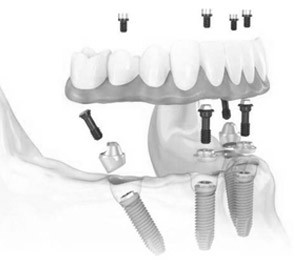
For tooth that are badly damaged, dental crown can be an effective treatment option. The dental crown procedure utilizes tooth-shaped coverings made of metal, ceramic, or porcelain to improve the appearance, restore the strength and eliminate the discomfort. In addition, dental crown may be used to anchor a dental bridge or to cap a dental implant post.
Dental Crown will make your new tooth both strong and beautiful. It is suitable for prosthetic reconstructions anywhere in the mouth. At SMILE REPUBLIC by Bangkoksmiledental, we promise you the best experience in dental crown in Thailand. Dental crowns and bridges are a major part of our practice. We are one of the very few dental clinics in Thailand with its own in house dental laboratory, so nothing has to be sent out thus delaying your treatment. Our in-house dental lab combines high tech equipment with experienced dental technicians, to guarantee that all of our dental crowns and bridges are made to exact specifications. Most dental clinics have to outsource these needs to separate facilities – sometimes even to other countries, giving you a more "mass manufactured," less personal result, rather than an independent, customized result that we can give here at SMILE REPUBLIC by Bangkoksmiledental
Benefits of Dental Bridge and Crown
• Restores your smile
• Prevents remaining teeth from drifting out of position
• Restores your ability to properly chew and speak
• Helps preserve the natural function and position of the teeth
• Maintains the shape of your face Benefits of Dental Crowns
• Restore your beautiful smile
• Covers discolored and irregularities in teeth in improving cosmetic appearance
• Protects severely damaged tooth or tooth weakened by decay, fracture, large fillings or root canal therapy from fracturing. Teeth with large fillings tend to "flex more" forcing the tooth apart possibly causing stress fractures
• Holds together cracked or weaken teeth and seal the tooth from decay
• Helps preserve the natural function and position of the teeth
• Restores tooth with large decay, cavities or filings
• Supports the replacement teeth in a bridge
• Restores and maintains natural bite
• Covers a dental implant
Types of Dental Crown
Dental crowns are made of metal, ceramic, porcelain fused to metal or composite/polymer. The type of crown utilized during your dental crown procedure will depend on your unique needs and goals, as well as the recommendation of your dentist.
All Porcelain Crown

All ceramic crown is made of porcelain or dental ceramic materials. They create an extremely natural-looking appearance and are typically used on front teeth. The tooth-colored ceramic material is translucent, like the enamel of your natural teeth, and size and shade can be carefully matched to complement the rest of your smile. All porcelain crowns will make your new tooth both strong and beautiful. This tissue friendly porcelain crown recreates the strength and natural beauty of your tooth. Due to the strength in the modified core material, all porcelain crowns are suitable for prosthetic reconstructions anywhere in the mouth. In addition, more and more patients are asking for constructions made of materials not containing metal or other alloys. All porcelain crowns are made of a biocompatible material which minimizes the risk of allergic reactions.
Porcelain fused to metal Crown
Porcelain fused to metal dental crown is a hybrid between all-metal crown and all porcelain crown. When being manufactured, our dental technicians will make a shell of metal (substructure) that is custom fitted for your affected tooth. A veneer of porcelain is then fused over this metal, giving the crown a white tooth-like appearance. Porcelain fused to metal crowns has the advantages of having a nearly natural appearance from the porcelain, and the strength and stability provided by the underlying metal. Porcelain fused to metal dental crowns is stronger than the all porcelain crowns but are more prone to fracture than an all-metal dental crown.
Metal Crown

Although their metallic color makes them a poor choice for highly visible teeth, dental crowns made of metal can be an ideal option for repairing decayed or damaged back teeth. They are extremely durable and can be applied with less removal of the natural tooth than all porcelain or ceramic crowns. Metal crowns may consist of various materials, including gold alloy, palladium, nickel alloy, or chromium alloy.
The Procedure
Typically, the dental crown procedure is completed in two stages. During the first stage, we will prepare your natural tooth's structure to accommodate the dental crown. Surrounding teeth may also be prepared in this way. An impression is made and sent to the lab, where your dental crown is created in about 6-7 days. A temporary crown will be in place between visits to ensure the most natural look and feel. When you return to the dentist's office, the temporary crown is removed and your new, custom dental crown is securely bonded in place.
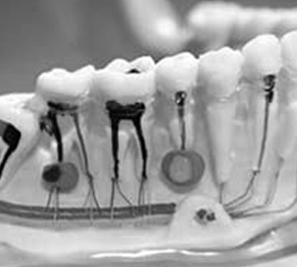
For some patients, the dental crown procedure is altered to meet specific goals. For example, if crowns are being utilized to anchor a dental bridge or as a dental implant, the steps in the dental crown procedure will be slightly different. Also, teeth with extensive damage may require that a root canal be performed prior to placing the crown. Additionally, new technology has made it possible to complete some dental crown procedures in a single office visit. A consultation with your dentist can help you better understand the unique steps in your dental crown procedure.
Replacing Old Dental Crowns
Individuals may be interested in replacing old dental crowns for a number of reasons. Concerns about the appearance of metal crowns on prominent teeth may compel some patients to have their dental work restored with all ceramic or porcelain crowns. Other times, dental crown problems like wear, decay, or poor fit may lead patients to inquire about replacing older dental crowns. Typically, patients should expect to replace their dental crowns after approximately 10 years.
Porcelain Crowns vs. Porcelain Veneers
Both porcelain crowns and porcelain veneers have unique advantages and limitations that make them appropriate for treating specific dental concerns. For example, all ceramic or porcelain dental crowns improve both the appearance and function of injured or damaged teeth. They cover and protect the entire surface area of the tooth, eliminating pain and restoring strength. Porcelain veneers, on the other hand, typically address only cosmetic concerns and are applied to otherwise healthy teeth. Stains, minor chips, misalignment, or other imperfections can be concealed with the thin porcelain shells, which slide over the front surface of teeth. Also, because they cover less of the natural tooth, less tooth structure has to be removed to accommodate porcelain veneers. A dentist can provide more information on porcelain crowns versus porcelain veneers and help determine which treatment is best for you based on cost and your unique goals and needs.
Care for Dental Crown
Dental crown requires the same regular and consistent home and professional dental care, as your natural teeth to prevent decay at the tooth-dental crown junction. To provide optimum longevity for your restorations, please follow the home care tips below:
1. Brush after eating and before bedtime around the crown with a soft toothbrush, especially where the crown meets the gum line. At the gum line harmful bacteria can be harbored to cause decay and gum disease.
2. Floss at least once to twice a day. Use the proxy brush or floss threader to remove plaque under and around these areas to maintain good oral hygiene. Buildup of food debris and plaque on your teeth and gums can become infected.
3. Rinse with fluoride rinse before bed. Swish the fluoride rinse vigorously in your mouth for at least one minute. Do not swallow any of the rinse and do not eat or drink anything for 30 minutes
4. Be careful about chewing toffees, gum, grainy rolls and tough food in this area
5. See your dentist for regular professional check-ups and cleanings
FAQs
What Problems Could Develop With a Dental Crown?
1. Discomfort or sensitivity. Your newly crowned tooth may be sensitive immediately after the procedure as the anesthesia begins to wear off. If the tooth that has been crowned still has a nerve in it, you may experience some heat and cold sensitivity. Your dentist may recommend that you brush your teeth with toothpaste designed for sensitive teeth.
2. Chipped crown. Crowns made of all porcelain can sometimes chip. If the chip is small, a composite resin can be used to repair the chip with the crown remaining in your mouth. If the chipping is extensive, the crown may need to be replaced.
3. Loose crown. Sometimes the cement washes out from under the crown. Not only does this allow the crown to become loose, it allows bacteria to leak in and cause decay to the tooth that remains.
5. Allergic reaction. Because the metals used to make crowns are usually a mixture of metals, an allergic reaction to the metals or porcelain used in crowns can occur, but this is extremely rare.
How Long Do Dental Crowns Last?
The life span of a crown depends on the dentist's skill, the quality of material used, your maintenance and the amount of "wear and tear" the crown is exposed to, how well you follow good oral hygiene practices, and your personal mouth-related habits. Habits such as grinding or clenching your teeth, chewing ice, biting your fingernails and using your teeth to open packaging puts on greater wear and tear to the crown. On average in general, dental crowns last between 5 and 10 years.
Does a Crowned Tooth Require any Special Care?
While a crowned tooth does not require any special care, remember that simply because a tooth is crowned does not mean the underlying tooth is protected from decay or gum disease.
Therefore, continue to follow good oral hygiene practices, including brushing your teeth at least twice a day and flossing once a day-especially around the crown area where the gum meets the tooth.

 Dental Crown and Bridge At SMILE REPUBLIC by Bangkoksmiledental